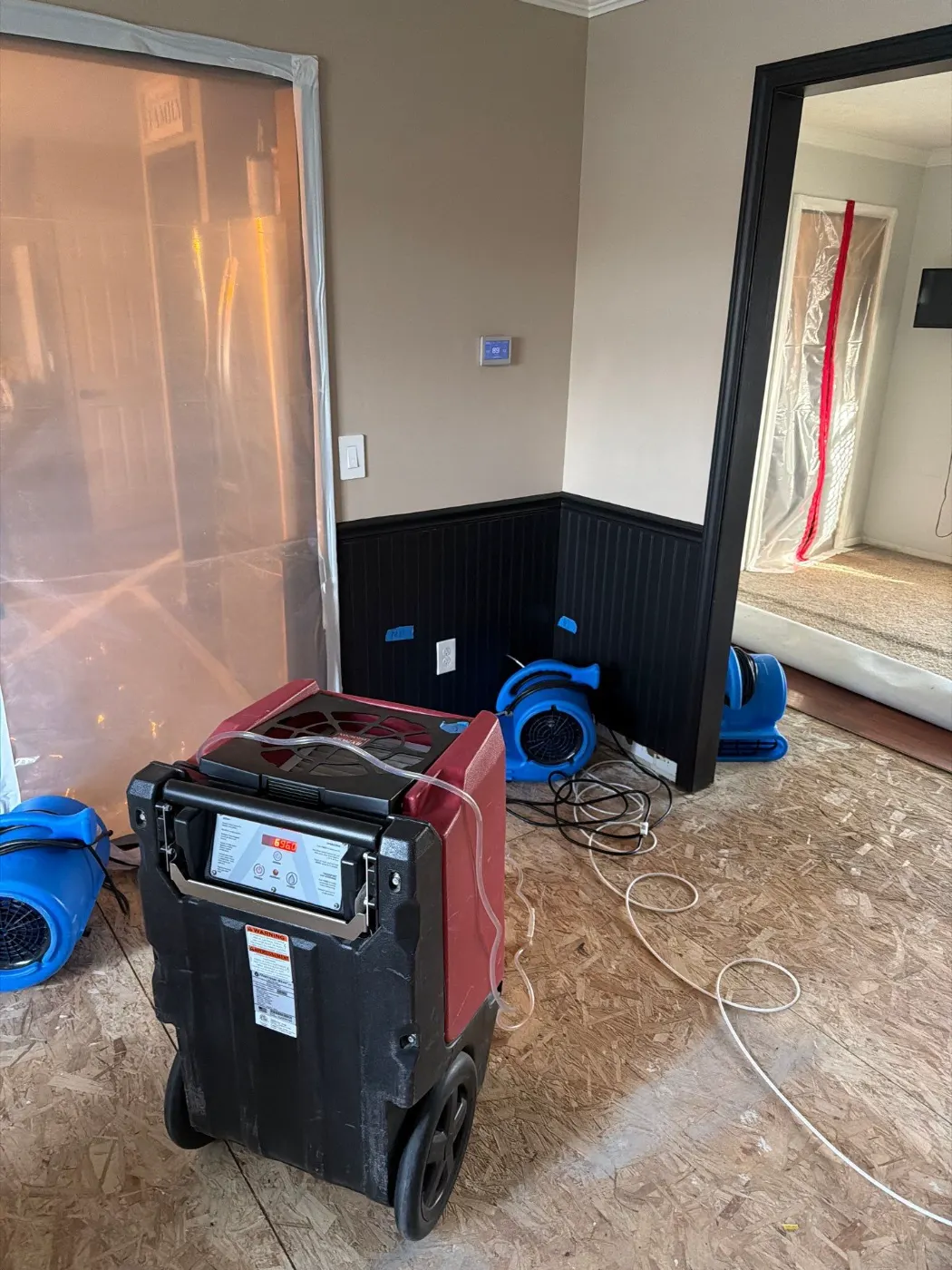
Basement Flooding in Charlottesville, IN
Contaminated drain backup or clean seepage, Charlottesville Water Restoration classifies the water in your Charlottesville basement before any material comes out.
When Charlottesville homeowners need Basement Flooding, Charlottesville Water Restoration responds 24/7 with certified technicians, fast equipment deployment, and claim ready documentation. Call (317) 653-6821 for immediate dispatch.
- Service: Basement Flooding for Charlottesville homeowners
- Service area: Charlottesville, IN and surrounding areas
- Response time: Rapid emergency dispatch for Charlottesville inquiries; crews available 24/7
- Licensed and insured (License #RC21100059)
- Serving Charlottesville, IN since 2018
Basement Flooding Cleanup in Charlottesville
If your basement in Charlottesville has water in it, we'll pump it out and dry the space to a measured standard.
Basements Here
Plenty of Charlottesville homes went up in the 1800s, and full basements are common. Crawl spaces are common in parts of Charlottesville too.
Where the Water Comes From
Clay soil drains slowly here, so the ground stays wet after a storm. Many basements here depend on a sump pump to stay dry, so a pump that quits during a storm can flood the space fast.
Our crews work all over Charlottesville, from Henry and Cleveland Vicinity to the streets near U.S. Route 40 and Charlottesville Friends Church. Nearby, we also pump out basements in Greenfield, Henry, Fortville and Morristown.
Expert Basement Flooding for Charlottesville Homeowners
Coming home from a weekend away to a wet basement in Charlottesville usually means the water has had a day or two to climb the walls. Drywall wicks upward and stored boxes soak from the bottom, so the damage is larger than the puddle suggests. Charlottesville Water Restoration sets the scope from meter readings taken on every surface the water reached.
A thermal camera shows where evaporation is cooling a surface, which tells the crew where to point the meter. The meter then supplies the number for that spot. Charlottesville Water Restoration uses both in your Charlottesville basement, because the image shows the pattern and the meter gives the value that goes in the log.
Dehumidifier capacity does most of the work in a basement, so Charlottesville Water Restoration leads with it. Cool basement air holds a lot of moisture close to the walls and the slab, and commercial dehumidifiers keep pulling it out long after a household unit would stall. Opening a window in humid weather usually adds moisture to the room, so the space gets closed up and dried with the equipment running.
Charlottesville Water Restoration builds a complete file for every basement it dries in Charlottesville. It covers the source, the daily readings, every removal with a photo of the material, the equipment log with run hours and the final readings against dry material in the same house. You own that file whether you file a claim on the loss or pay for the work yourself.
A damp spot that keeps returning to the same corner of your Charlottesville basement is worth a call to Charlottesville Water Restoration while the area is still small. The crew reads how far the moisture has traveled behind the paint and the floor covering, and you'll know where things stand before the next heavy rain.
Signs You Need Basement Flooding Cleanup
If you notice any of these in your Charlottesville home, schedule a free inspection before the issue worsens.
Water welling up around a floor crack or the base of a steel support column
Baseboard swollen and pulling off the wall, with paint lifting in the bottom few inches of drywall
Mortar joints in the foundation wall that feel damp or crumble when you press a thumb into them
A crack in the slab or the wall that stays wet when everything around it has dried
Wall panels or foam board in your Charlottesville basement bulging outward, with water trapped behind them
Leaves and soil packed into your Charlottesville window well, with a drain that no longer empties
The sump pit full to the rim, or the pump running while the water level stays where it is
Standing water across the slab, or pooled at the low spot of the floor near the drain
Water seeping under the door at the bottom of a walkout or exterior basement stairwell
Stair step cracks in the block wall that darken and bead moisture after days of rain
How Charlottesville Water Restoration Handles Basement Flooding
We follow these steps in order on every Charlottesville job.
Stopping the Inflow
Before your Charlottesville basement can dry, the water has to stop coming in. The crew shuts off a failed supply line or sets a temporary pump where groundwater is still rising, then photographs the entry point for the trade that makes the repair.
Controlled Removal
Drywall that wicked water gets cut at a measured height, wet batt insulation comes out of the bays and gets bagged, and carpet pad goes out. Material the meters show dry stays in place, and every removal gets photographed before it happens.
Surface Cleaning
Once removal is done, the crew cleans the slab and the framing that stay in your Charlottesville basement. Air scrubbers run during the work, and the surfaces are ready for the drying equipment before it goes in.
Clearance Verification
Final readings get taken on every material that was wet and compared against the same material elsewhere in the house that the water never reached. Equipment comes out after those numbers are documented, and the containment comes down after the equipment does.
Repair Planning
With the clearance readings in hand, the crew goes through what was removed and what needs to go back. You can ask about materials that handle moisture better, and the repair scope is yours to approve before any work is scheduled.
Basement Flooding in Charlottesville
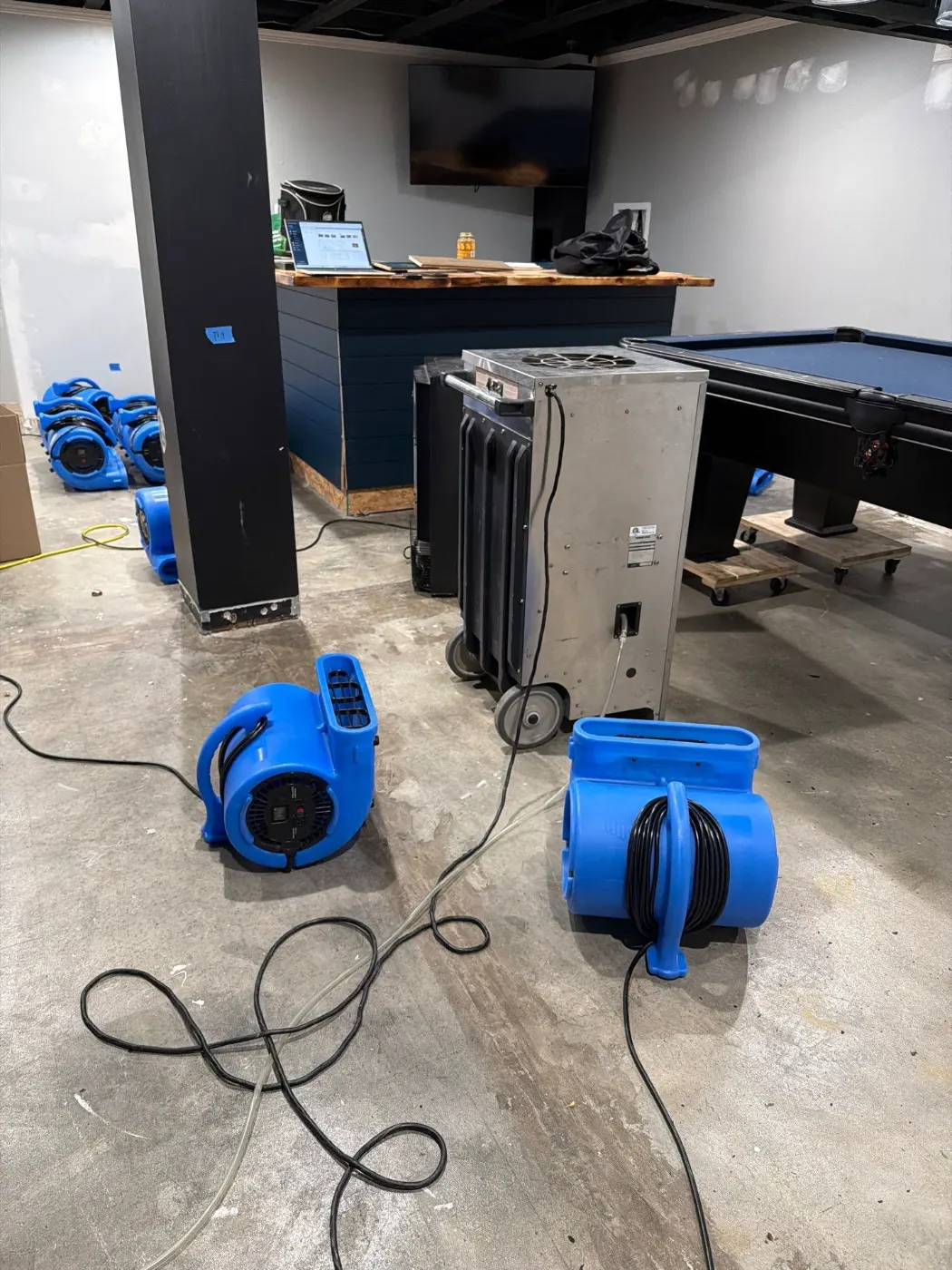
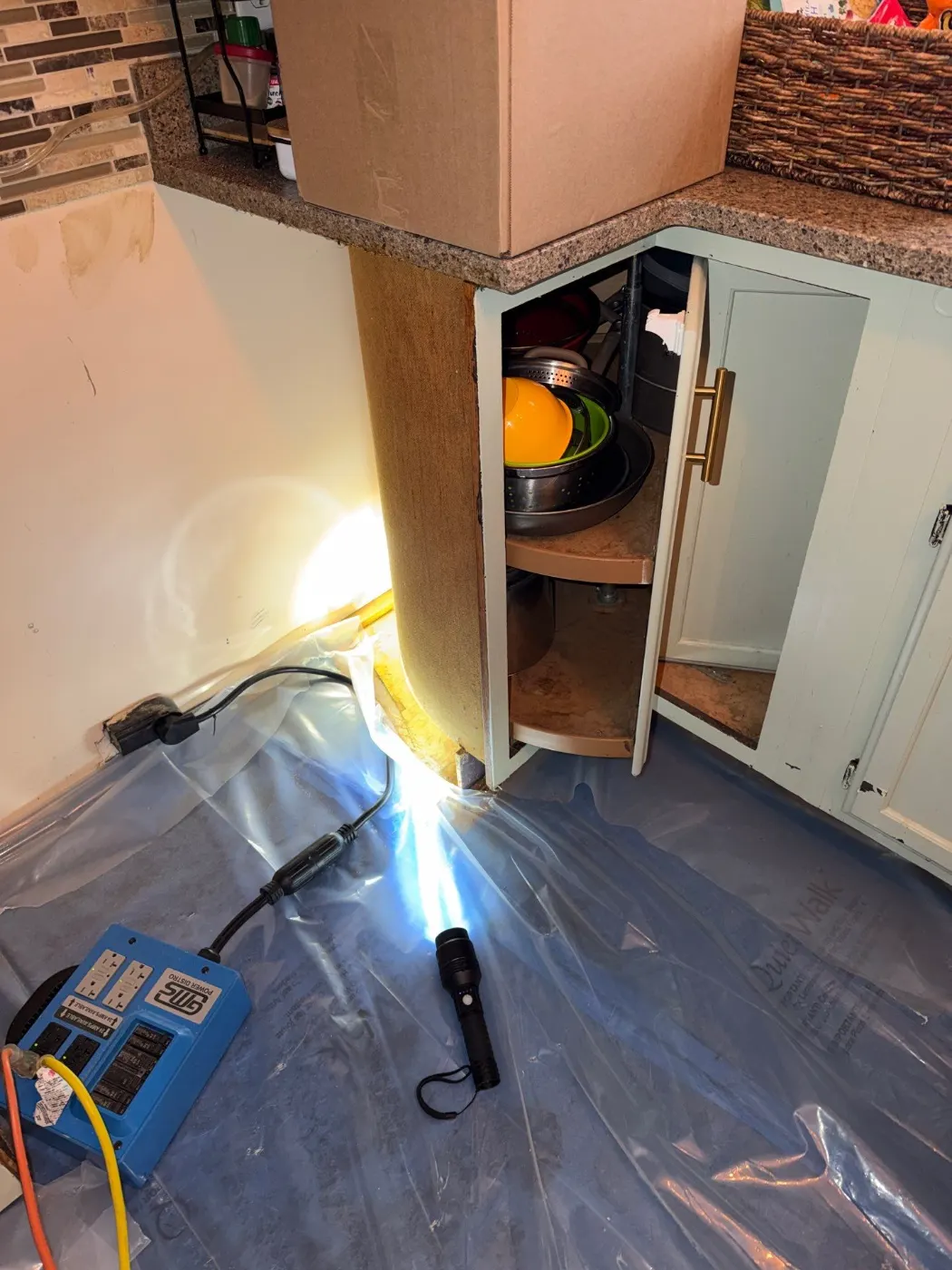
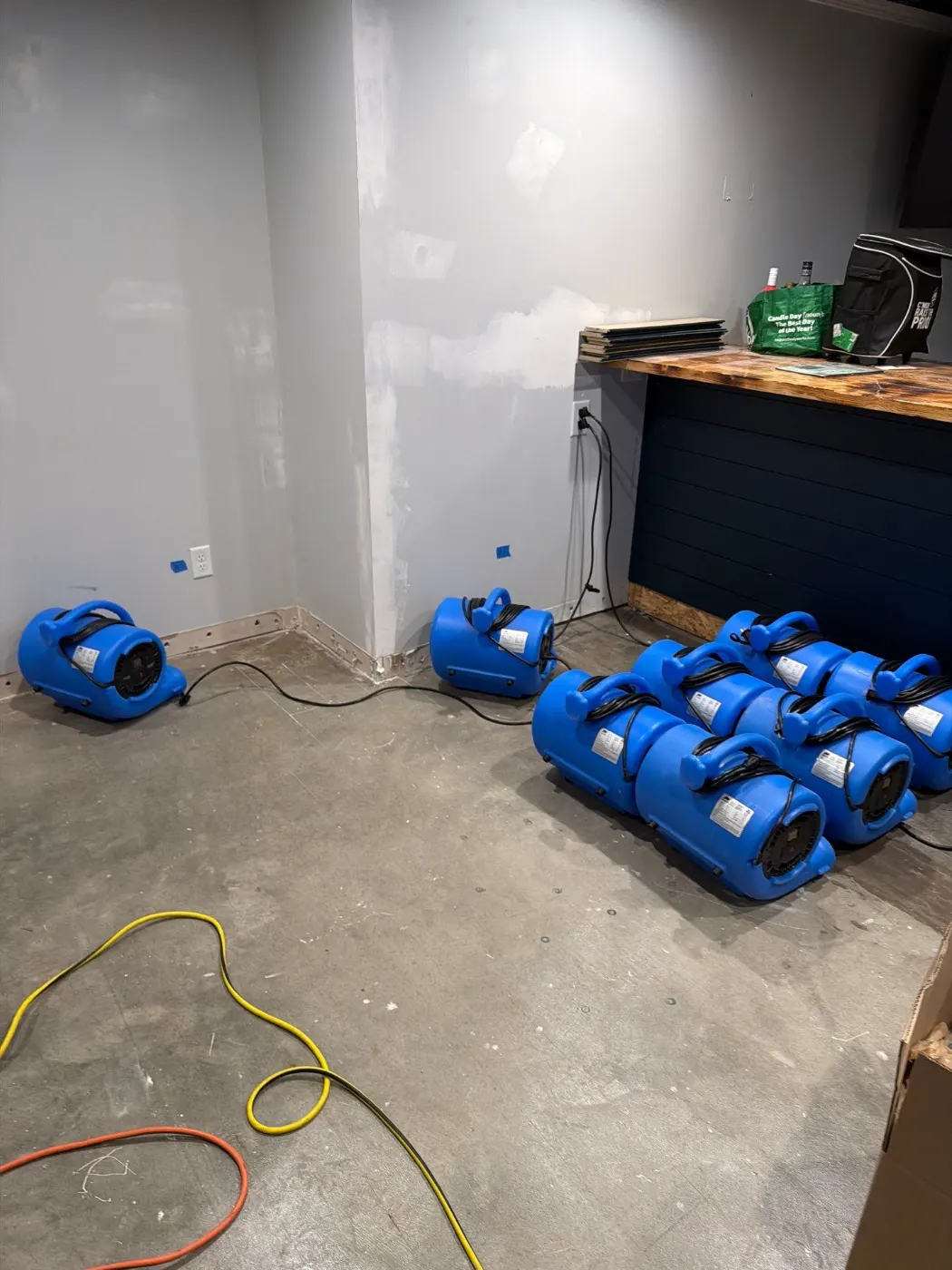
Photographs from real basement flooding jobs completed by our crew in Charlottesville and surrounding areas.
Basement Flooding FAQ
Questions Charlottesville homeowners ask us about basement flooding cleanup.
Guidance and Standards for Basement Flooding
- EPA advises drying water damaged areas and items within 24 to 48 hours to prevent mold growth. EPA: A Brief Guide to Mold, Moisture and Your Home
- Ready.gov notes that homeowners insurance policies don’t cover flooding, so check what your own policy says. Ready.gov: Floods
Charlottesville Neighborhoods We Serve
We take basement flooding calls in every part of Charlottesville. Pick your neighborhood for local details.
- Original Platted Village Core (West Street and East Street grid)
- National Road (U.S. Route 40) Corridor
- Jackson Township Rural Parcels (Hancock County side)
- Ripley Township Rural Parcels (Rush County side)
- Eastern Hancock School District Residential Area (East 250 North corridor)
- Henry and Cleveland Vicinity (Jackson Township west edge)
Other Restoration Services in Charlottesville
Charlottesville Water Restoration handles the full scope of restoration work. Explore our other services below.
Water Damage Restoration in Charlottesville
24/7 emergency response. IICRC certified water restoration from extraction to full dry out.
Learn more →Sewage Cleanup in Charlottesville
Category 3 biohazard cleanup. Full containment, decontamination, structural restoration.
Learn more →Storm Damage in Charlottesville
Storm related water emergencies. Tarping, extraction, drying, and full restoration.
Learn more →Request Basement Flooding Cleanup
Reach Us Directly
Our team is available 24/7 for emergencies and ready to schedule inspections during business hours.
Need Immediate Help?
For active water or mold emergencies, call us directly. We are available 24/7.